LUX Dark Matter Experiment
Fill-system work for the liquid-xenon dark matter detector program at UCSB HEP.
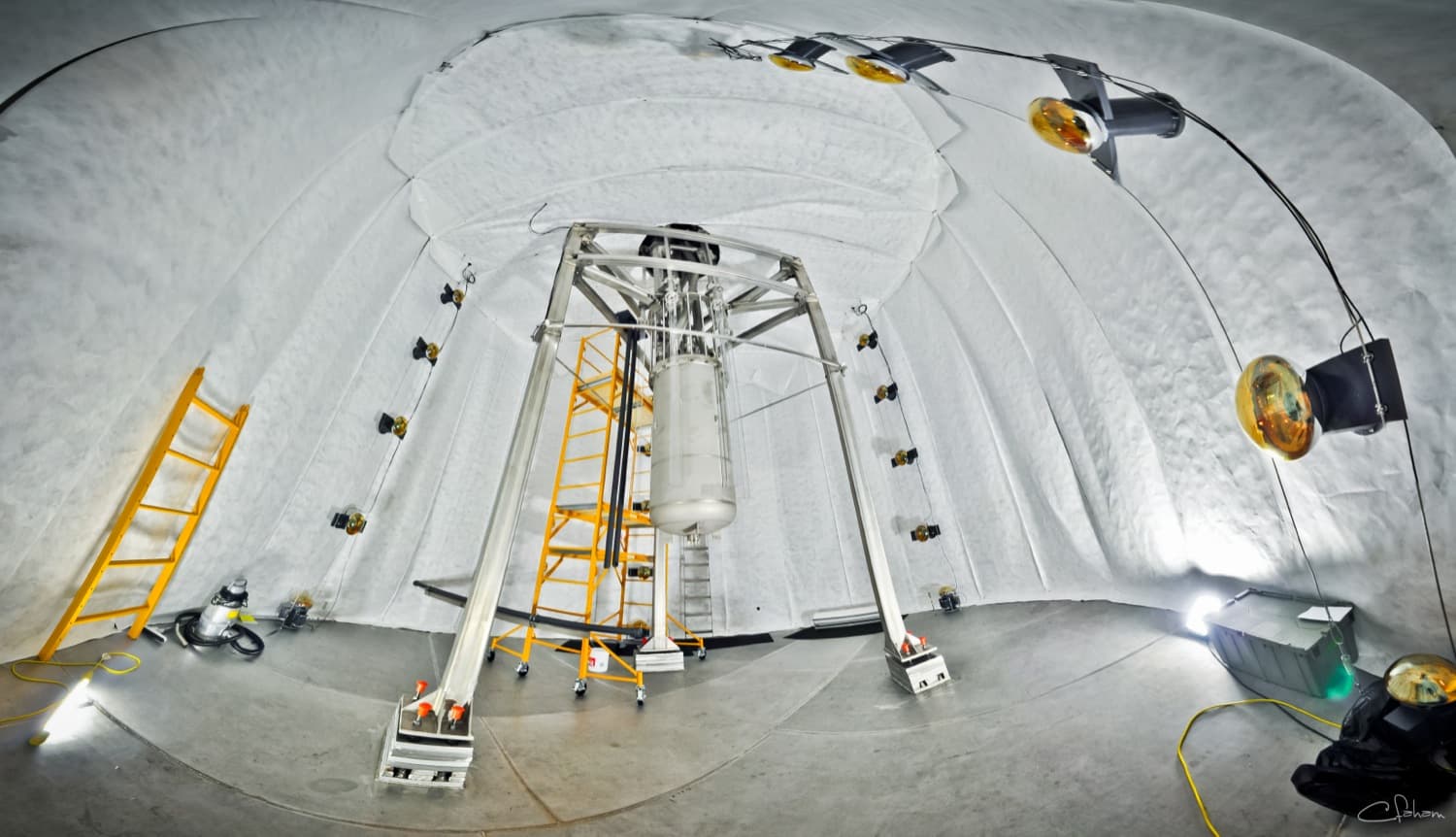
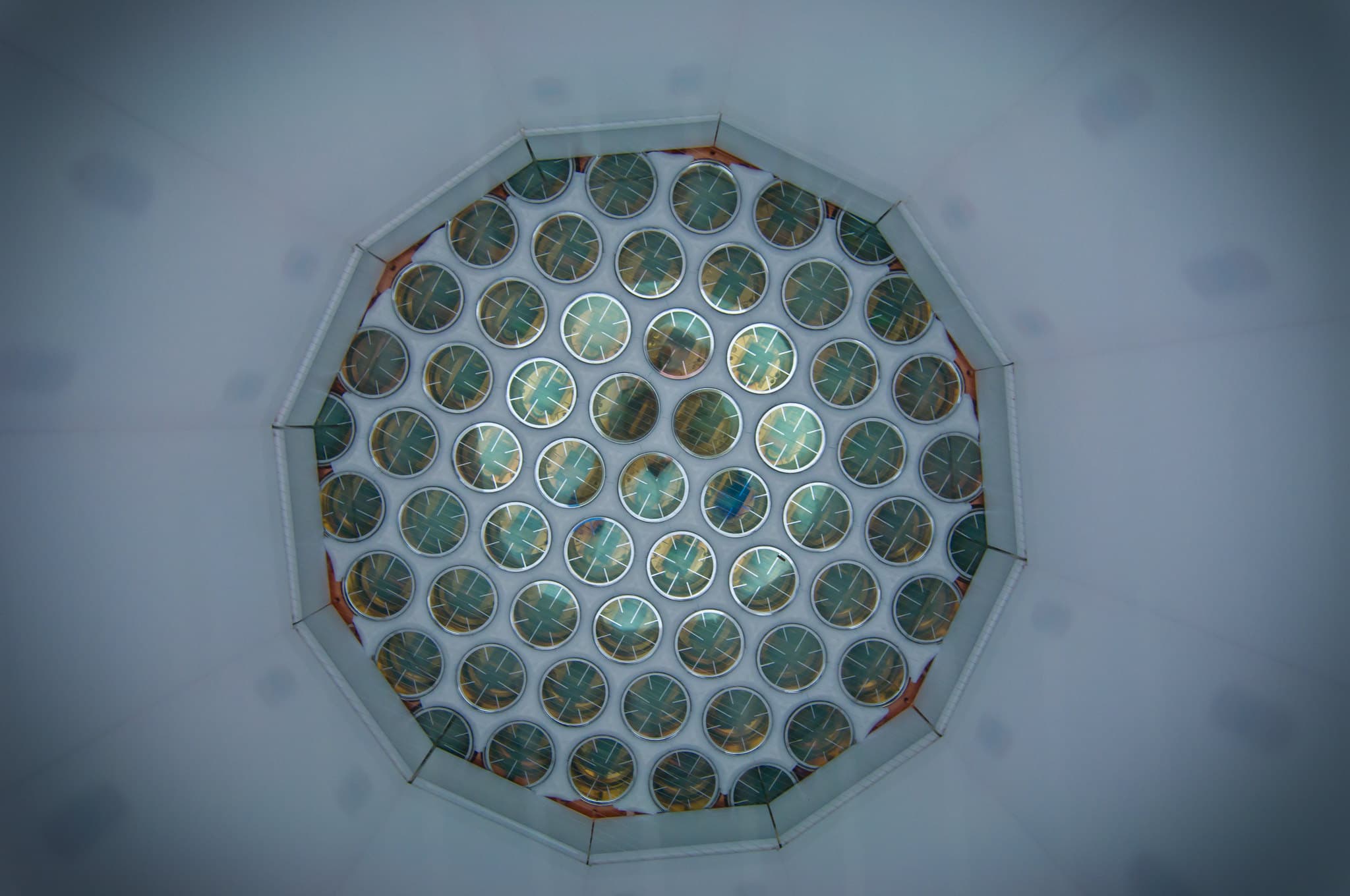
LUX — the Large Underground Xenon experiment — searched for dark matter with a liquid-xenon detector operating a mile underground at the Sanford Underground Research Facility in South Dakota. UCSB's High Energy Physics group, led by Prof. Harry Nelson (LUX principal investigator at UCSB and later spokesperson of its successor, LUX-ZEPLIN), designed and built major detector systems for the program in-house.
My work was on the fill system for the experiment's liquid-xenon tank — the plumbing and control hardware that gets the detector's working medium where it needs to be, built to the leak-tightness and cleanliness standards a rare-event search demands. I worked under the department's senior development engineers, Susanne Kyre and Dano Pagenkopf — the team that engineered LUX-ZEPLIN's outer detector veto tanks.
Context
Rare-event physics is an exercise in extreme engineering: everything that touches the detector must be radiologically quiet, leak-tight, and reliable for years without intervention. Working inside that discipline — where a fingerprint is a contamination event — shaped how I think about cleanliness of process in every system I've built since.